


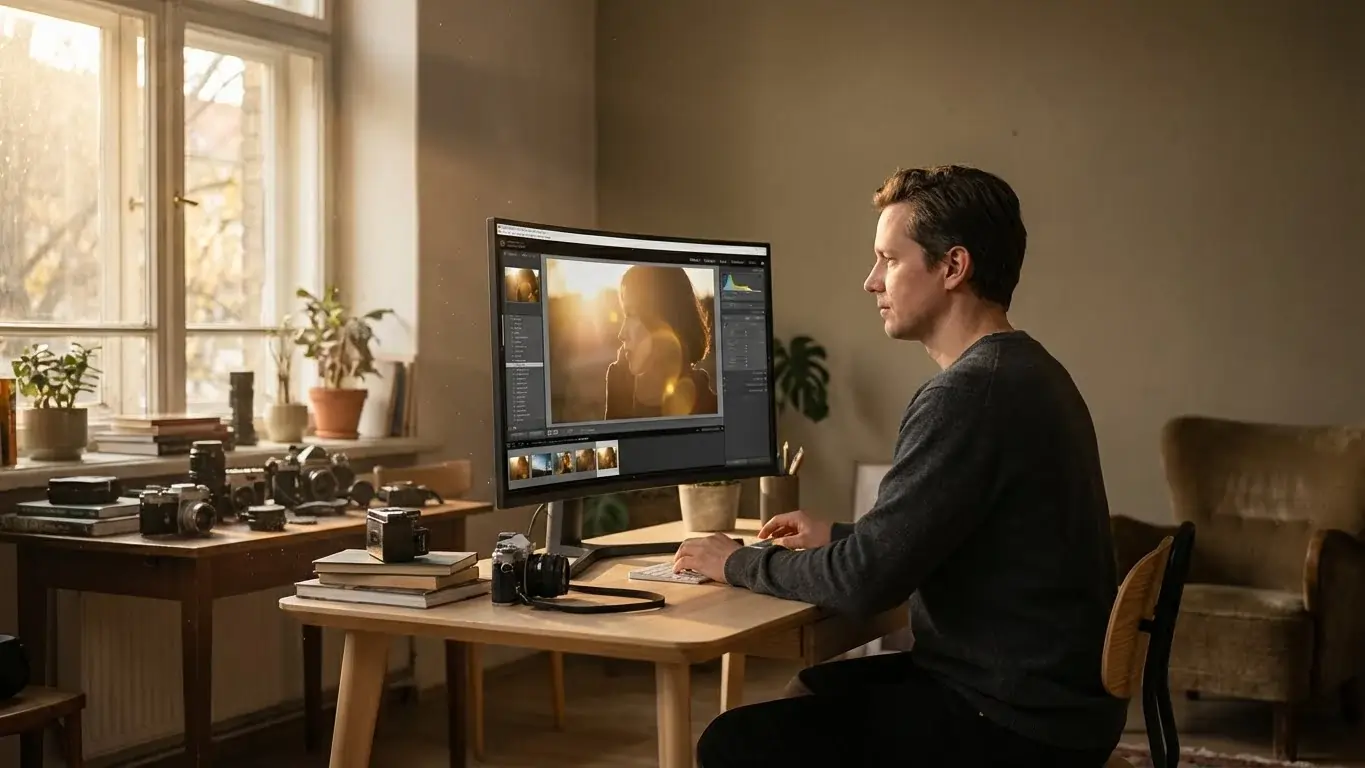
Have you ever looked at a photo and thought “This looks good but something’s missing”? Very often, that “something” is light. That’s why so many people search for Photeeq lens flare. They’re not trying to learn photography theory. They just want their photos to feel more alive warmer more cinematic more real.
But here’s the catch.
Lens flare can either make a photo feel magical or completely ruin it.
In this guide we’ll break things down in plain English. No fluff No tech overload Just clear answers real examples and practical tips you can actually use.
What Is Photeeq Lens Flare (Really)?
Photeeq lens flare is a light effect tool from Photeeq that lets you add realistic flare to your photos while editing.
Instead of pasting random overlay images on top of your photo, Photeeq gives you control. You decide:
-
Where the light comes from
-
How strong it is
-
What color it feels like
-
How it blends into the image
The goal isn’t to shout “LOOK AT THIS EFFECT.”
It’s to make people think the photo was shot that way.
Why People Use Lens Flare (And Why It Often Goes Wrong)
Lens flare is powerful because it feels emotional. It reminds us of sunsets, concerts, city lights, and moments that feel alive.
But here’s where things usually go wrong:
-
The flare is too strong
-
It doesn’t match the light in the scene
-
It covers faces or important details
-
Every photo ends up looking the same
Photeeq helps solve this by letting you keep things subtle and controlled. And honestly, subtle is almost always better.
When Lens Flare Actually Works Best
Lens flare isn’t for every photo. But when it fits, it really fits.
It works great for:
-
Backlit portraits (sun behind the subject)
-
Golden hour landscapes
-
Concerts and stage lighting
-
Night streets with headlights
-
Fashion and editorial shoots
If there’s already light in the scene — or at least the idea of light — flare can make it feel more real.
Common Types of Lens Flare You Can Create
Here’s a quick breakdown of flare styles and when to use them:
| Flare Type | Best Used For | What It Looks Like |
|---|---|---|
| Sun flare | Outdoor portraits | Warm glow and streaks |
| Ghosting | Night photos | Small light circles |
| Streak flare | Cinematic shots | Long light lines |
| Soft glow | Lifestyle photos | Gentle haze |
| Creative flare | Fashion & art | Stylized highlights |
You don’t need all of them. Most of the time, one simple flare is enough.
How to Use Photeeq Lens Flare (Without Overthinking It)
Let’s keep this simple.
Quick Start
-
Open your photo
-
Turn on Photeeq lens flare
-
Pick a preset that feels close to your lighting
-
Place the flare near the light source
-
Turn the strength down (yes, down)
-
Adjust color if needed
-
Export
That’s it.
If you remember just one thing: start low and build slowly.
Three Easy Lens Flare Setups You Can Copy
1. Cinematic Portrait (Clean & Natural)
-
Strength: 15–20%
-
Color: Warm
-
Keep flare away from eyes
-
Perfect for portraits and social posts
2. Golden Hour Landscape
-
Strength: 25–35%
-
Place flare just outside the frame
-
Add a little haze
-
Great for travel and nature shots
3. Night Street Lights
-
Strength: 30–40%
-
Add small ghost flares
-
Don’t crush shadows
-
Works well for city photos
If it looks obvious right away, it’s probably too strong.
Photeeq Lens Flare vs Photoshop’s Built-In Flare
A lot of people ask this, so let’s clear it up.
| Feature | Photeeq | Photoshop |
|---|---|---|
| Easy presets | Yes | Limited |
| Realistic control | High | Basic |
| Beginner-friendly | Yes | Not really |
| Masking | Simple | Manual |
| Speed | Fast | Slower |
Photoshop can do lens flare, but it takes more work. Photeeq is quicker and easier, especially if you don’t want to fight with layers every time.
Mistakes Almost Everyone Makes (At First)
Let’s save you some frustration.
Mistake 1 Too much flare
If people notice the effect before the photo, it’s too strong.
Mistake 2 Random placement
Flare should always connect to a light source even if that light is off camera.
Mistake 3 Covering faces
Always protect eyes and skin tones.
Mistake 4: Same look on every photo
Change the color and strength based on the scene.
Does Photeeq Lens Flare Look Fake?
It can if you push it too far.
But used carefully, it looks natural. The trick is restraint. Think of flare as seasoning. A little goes a long way.
Ask yourself:
Would this light make sense if I were standing there with a camera?
If the answer is yes, you’re on the right track.
Performance & Compatibility (Quick Answers)
| Item | Details |
|---|---|
| Editors | Photoshop and compatible editors |
| File types | JPG, PNG, TIFF |
| Speed | Fast and lightweight |
| Skill level | Beginner-friendly |
You don’t need a powerful system to use it, and you don’t need advanced editing skills either.
A Few Simple Tips for Better Results
-
Lower clarity where flare exists
-
Match flare color to the scene’s light
-
Compare before and after often
-
When in doubt, reduce opacity
Most great edits come from knowing when to stop.
Frequently Asked Questions
Is Photeeq lens flare free?
Photeeq may offer free and paid features depending on the version. Always check the official site for the latest info.
Is this good for beginners?
Yes. Presets make it easy, even if you’re new to editing.
Will lens flare ruin image quality?
Not if you keep it subtle. Overdoing it is what causes problems.
Do professionals use lens flare?
Absolutely. Especially in cinematic and editorial photography.
Final Thoughts
Lens flare isn’t about showing off an effect. It’s about adding mood, warmth, and realism.
If you want your photos to feel more cinematic without making things complicated, Photeeq lens flare is a solid option. Use it lightly, trust your eyes, and don’t rush the process.
Sometimes the smallest touch of light makes the biggest difference.
